Best Sleep Apps for Insomnia in 2026 — Tested by Real Insomniacs
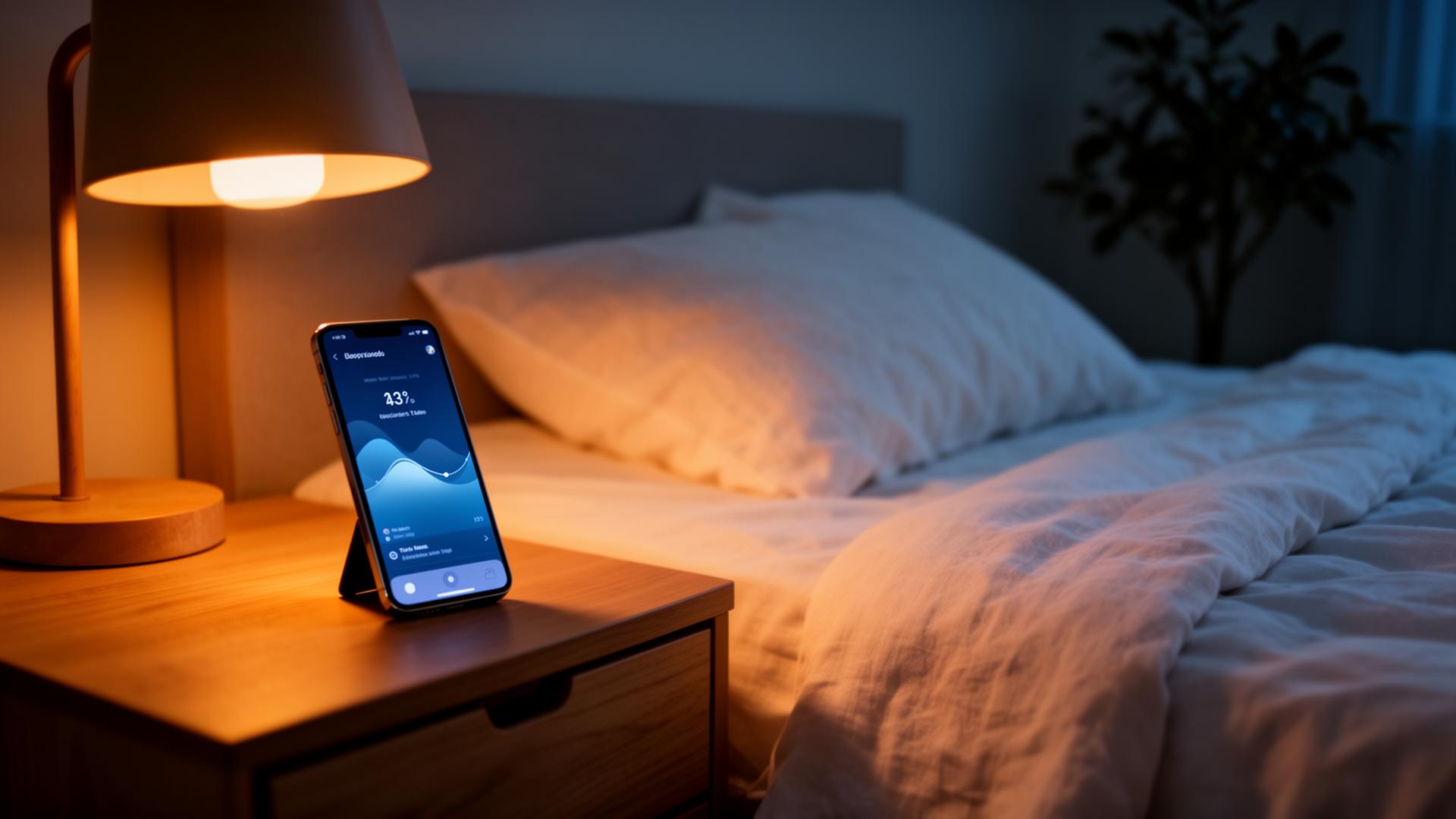
We tried every sleep app worth trying so you don't have to. These 7 are the ones that actually help you fall asleep — not just look pretty on the App Store.
Let's be real — if you're reading this at 2 a.m. with your phone screen dimmed to "barely visible," you probably don't need another lecture about sleep hygiene. You need something that actually works tonight. The good news? Sleep apps in 2026 have quietly become really, really good. Not the gimmicky "rain sounds + a paywall" kind — the genuinely useful kind that can help quiet a racing mind, track what's actually broken about your sleep, and rebuild the habit of falling asleep without staring at the ceiling for an hour.
Here are the seven we keep coming back to, why they work, and who each one is actually for.
1. Calm — Still the King of Sleep Stories Calm has been around forever, but in 2026 it's still the app most therapists casually recommend to insomnia clients. The reason is simple: Sleep Stories. These are 30-to-45-minute narrated tales (Matthew McConaughey, Idris Elba, Cillian Murphy, and a rotating cast of others) read in a deliberately slow, low-energy voice. Your brain latches onto the narrative just enough to stop spiraling about tomorrow's meeting, but not enough to actually stay engaged. Most people are out before the second chapter.
**Best for:** racing thoughts, "I can't turn my brain off" insomnia. **Worth knowing:** the free tier is generous enough to test for a week.
2. Headspace — The Gentle Cognitive Approach If Calm is the warm bath, Headspace is the patient teacher. Its Sleepcasts and wind-down meditations are paired with a structured "Sleep by Headspace" course that actually teaches you cognitive behavioral therapy for insomnia (CBT-i) techniques in plain English. The narrator's calm British voice doesn't hurt either.
**Best for:** people who like to understand *why* something works. **Worth knowing:** the wind-down exercises pair beautifully with our [Smart Sleep Headphones](/shop/smart-sleep-headphones) — flat speakers mean you can side-sleep without an earbud digging into your skull.
3. Sleep Cycle — The Tracker That Finally Got Accurate Sleep Cycle uses your phone's microphone to detect movement and breathing patterns, then wakes you during your lightest sleep phase within a window you set. In 2026 the AI got dramatically better at distinguishing snoring from sleep talking from "spouse rolled over." If you've ever woken up groggy despite eight hours in bed, the issue is usually *when* you woke up, not how long you slept. This app fixes that.
**Best for:** chronic groggy-mornings, shift workers, anyone curious about their sleep architecture.
4. Insight Timer — The Free One That's Genuinely Free Most sleep apps gate the good stuff behind a $70/year subscription. Insight Timer doesn't. It has over 200,000 free meditations, sleep music tracks, and yoga-nidra sessions from real teachers around the world. The interface is a bit busier than Calm, but the sheer volume means you'll never get bored of the same five tracks.
**Best for:** anyone on a budget, or anyone who wants variety.
5. Loóna — When You Want to *Do* Something, Not Listen Loóna is the weird, beautiful outlier. Instead of guided meditations, it gives you tiny interactive "sleepscapes" — you color in a starry sky, arrange a campfire, or build a tiny snow village while a soft story plays in the background. It sounds gimmicky until you try it. The light, repetitive hand motions shut down the part of your brain that wants to scroll Instagram, and 15 minutes later you're yawning hard.
**Best for:** people who can't sit still long enough to meditate.
6. Pzizz — Engineered Audio That Actually Sounds Like Engineering Pzizz uses something it calls "psychoacoustic" audio — a mix of music, voice, and sound effects that constantly shifts so your brain can't predict what comes next. That unpredictability is the point: a brain that can't predict can't ruminate. It's the closest thing to a sleep aid that *feels* clinical without feeling cold.
**Best for:** light sleepers, frequent flyers, naps under 30 minutes.
7. Reveri — The Hypnosis App That Doesn't Feel Like Hypnosis Created by a Stanford clinical professor, Reveri delivers self-hypnosis sessions for sleep, anxiety, and stress. "Hypnosis" sounds woo-woo, but in practice it's just a guided focus exercise that bypasses the analytical brain. A 2025 peer-reviewed study found regular Reveri users fell asleep an average of 23 minutes faster after four weeks.
**Best for:** people who've tried everything else and want something with real science behind it.
How to Actually Pick One Don't download all seven. That's a recipe for sleep-app fatigue. Pick one based on what's keeping you up:
- **Anxious mind?** Calm or Headspace.
- **Light sleeper waking up groggy?** Sleep Cycle.
- **Bored of meditation apps?** Loóna.
- **Tight budget?** Insight Timer.
Then commit to it for two weeks before judging. Sleep is a slow-moving system, and your brain needs time to associate the app with shutdown mode.
One More Thing: The App Is Only Half the Equation The most beautifully designed sleep app in the world can't fix a bedroom that's too bright, too warm, or too loud. Get the room right first — 65°F, blackout curtains, and a [calming aromatherapy diffuser](/shop/aromatherapy-diffuser) running lavender on a 20-minute auto-shutoff. Pair that with one well-chosen app, and you've built a sleep system that doesn't depend on willpower at 11 p.m. — which, let's be honest, none of us have.
Sweet dreams. And put the phone face-down once the app starts playing.
Products mentioned in this article
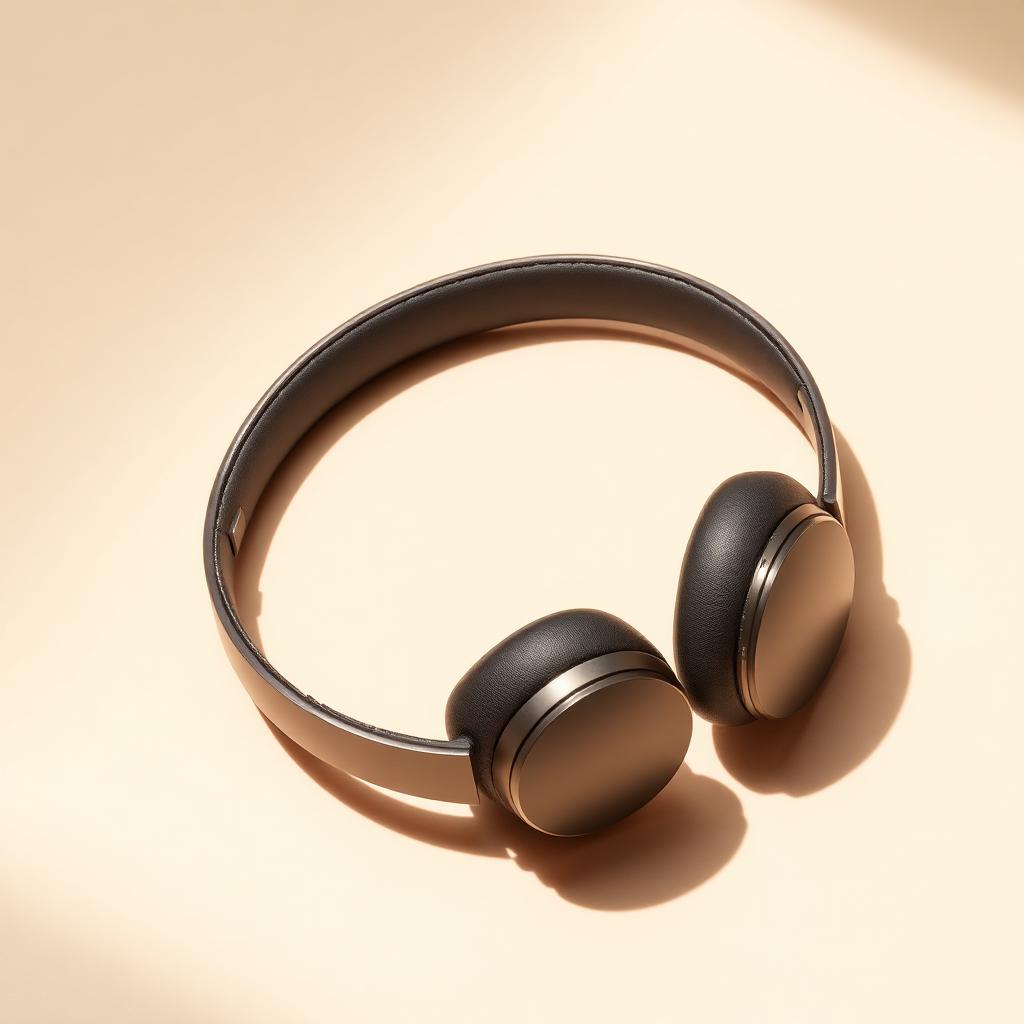
Smart Sleep Headphones
Ultra-thin bluetooth headband headphones engineered for side sleepers.
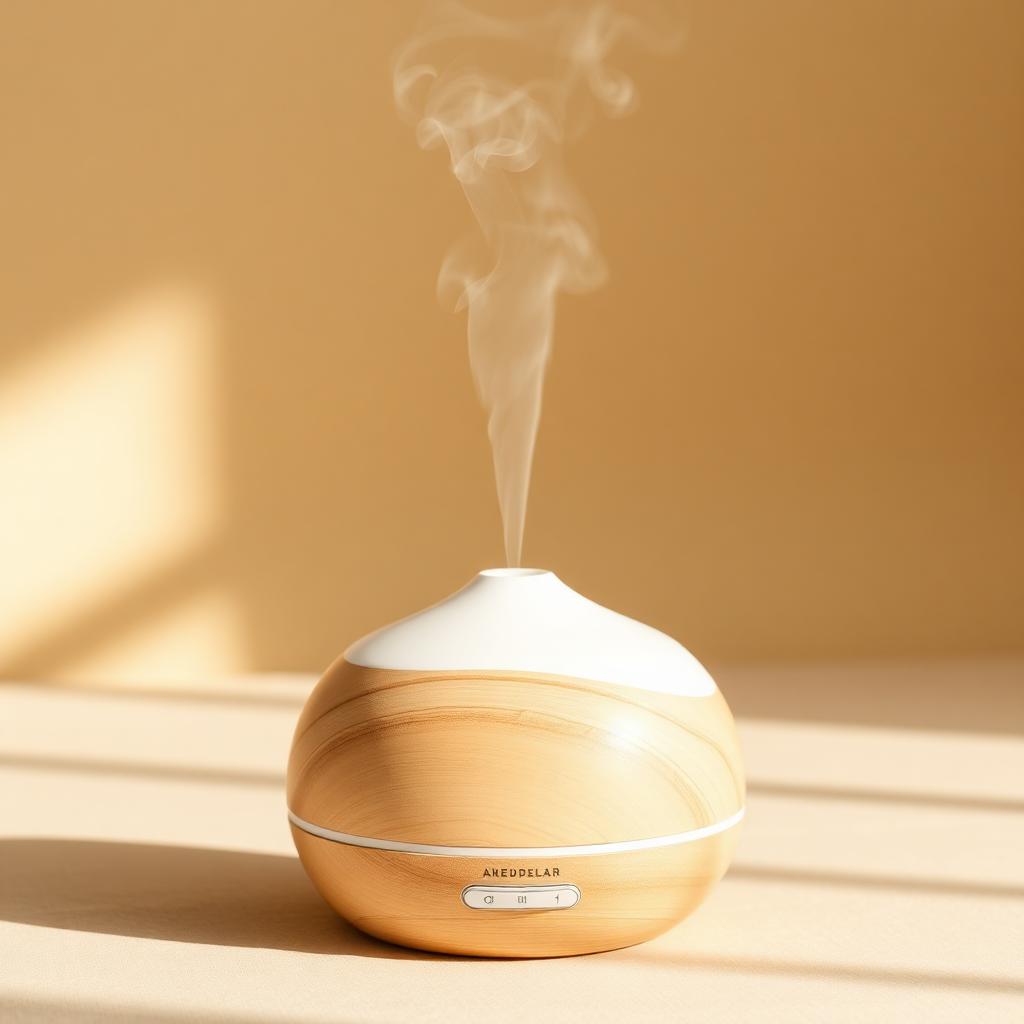
Aromatherapy Sleep Diffuser
Ultrasonic diffuser with 7-color ambient light & auto-off timer.
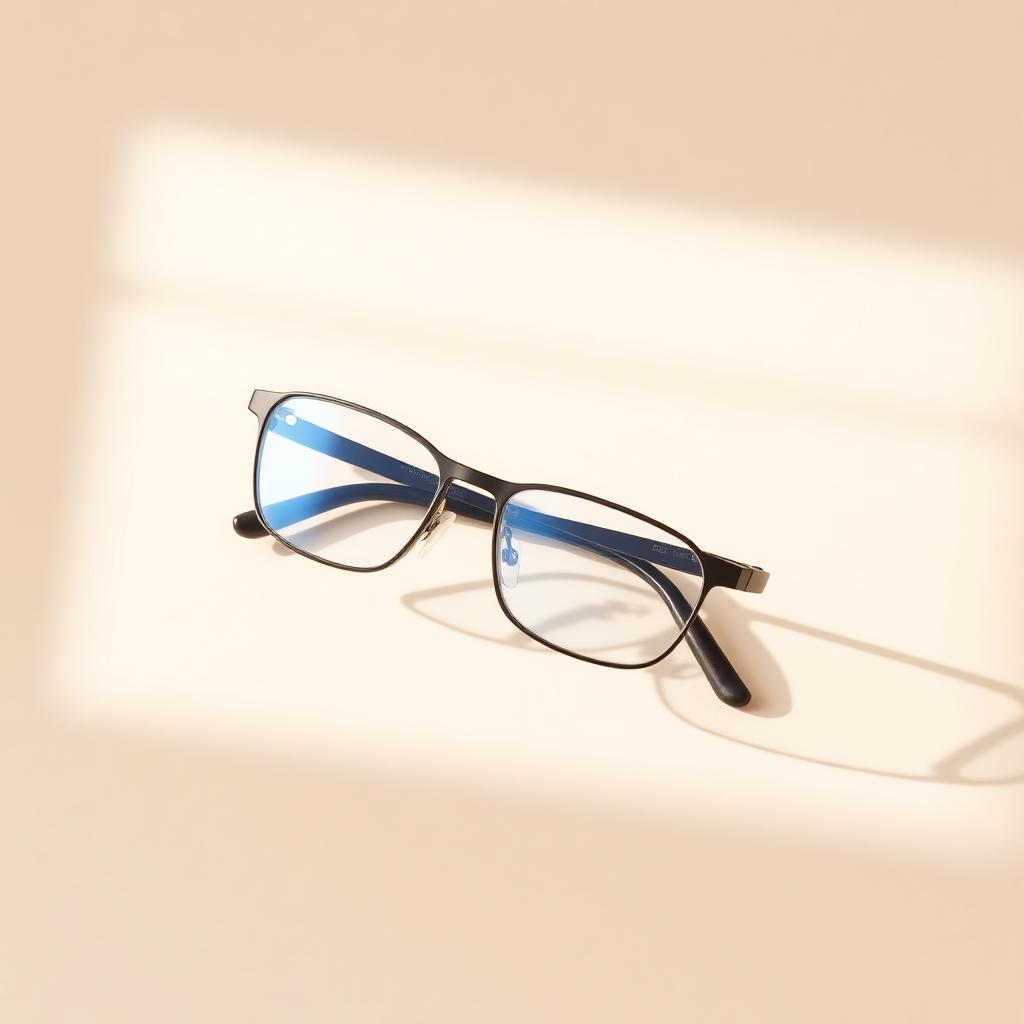
Ergonomic Blue-Light Glasses
Block 99% of harmful blue light without yellow tint.