
How Blue Light Affects Your Sleep — And What to Do About It
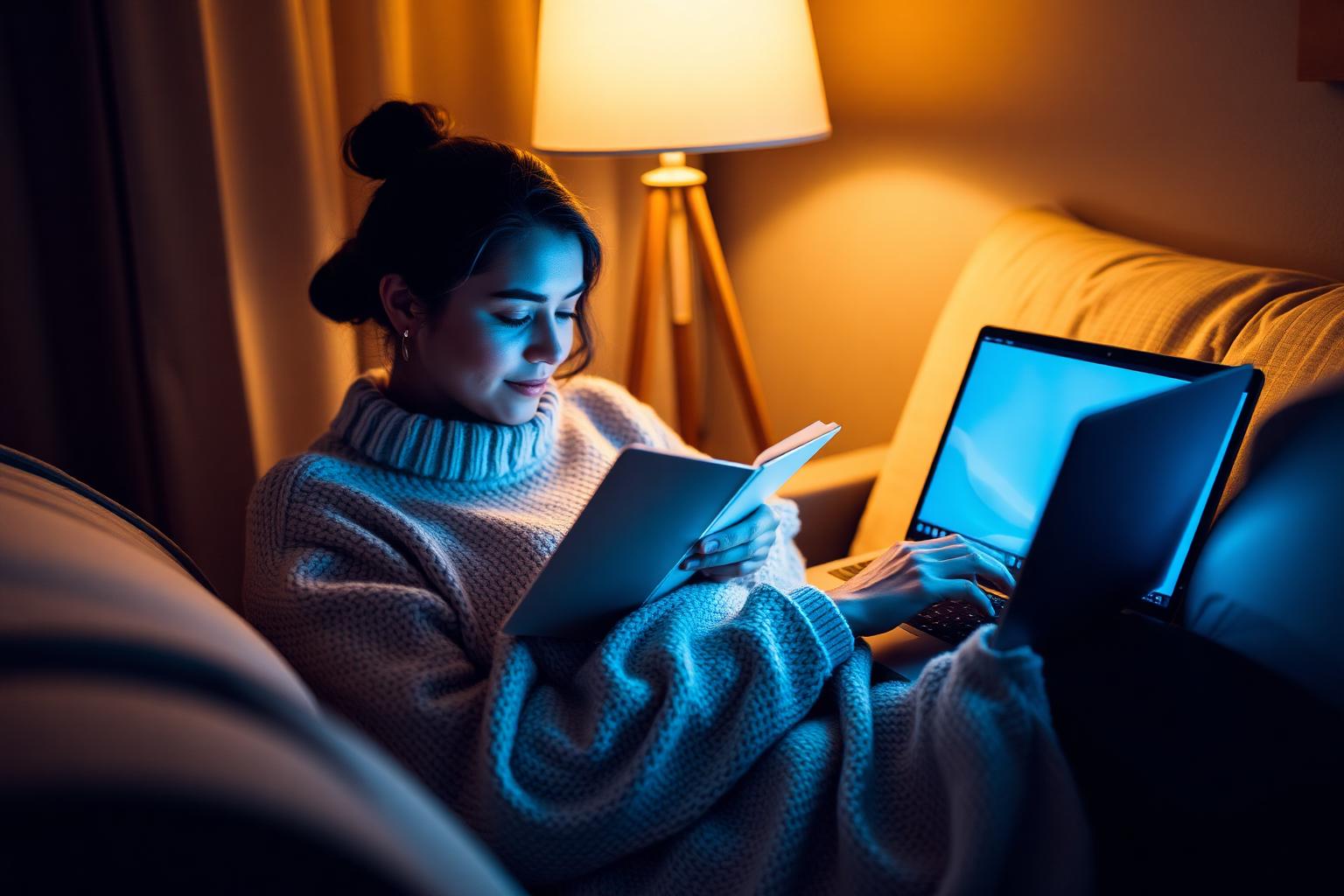
The 460nm wavelength suppresses melatonin for up to 3 hours. Here's the actual science, plus 5 practical fixes that work.
We spend our days basking in the glow of the future, yet our biology is still tethered to the rising and setting of a sun we rarely see. While the high-definition screens in our pockets offer a world of connectivity, they also broadcast a specific frequency of light that signals to the brain that the day has only just begun. Understanding how this spectral imbalance disrupts our rest is the first step toward reclaiming the restorative power of a full night’s sleep.
The Science of the 460nm Spike
Visible light exists on a spectrum, but not all wavelengths are created equal when it pertains to our internal clock. The screens on our smartphones, laptops, and tablets are engineered to be bright and crisp, achieveing this by peaking in the 460-nanometer range. This is the precise frequency of "short-wave" blue light.
In natural settings, this wavelength is abundant at midday, signaling alertness and high cognitive function. However, when we encounter 460nm light at 11:00 PM, our photoreceptors cannot distinguish the difference between a high-end LED display and the noon sun. Research from the National Institutes of Health indicates that exposure to these wavelengths within two hours of bedtime can delay the onset of sleep significantly, as the brain treats the artificial glow as a command to remain vigilant.
The Gatekeepers: Understanding ipRGC Cells
For decades, we believed the eyes only served two functions: seeing color and seeing shape. It wasn't until relatively recently that scientists identified a third type of cell in the retina called intrinsically photosensitive Retinal Ganglion Cells (ipRGCs). These cells do not help you read a book or recognize a face. Instead, they act as the body’s light-sensing metronome.
These ipRGC cells contain a photopigment called melanopsin, which is hyper-sensitive to blue light. When these cells detect blue wavelengths, they send a direct signal to the Suprachiasmatic Nucleus (SCN), the tiny region in your hypothalamus that governs your 24-hour cycle. When the SCN receives "blue" data, it immediately inhibits the production of melatonin. Essentially, your eyes are telling your brain to stay in "daylight mode" regardless of what the clock on the wall says.
The Three-Hour Melatonin Gap
Melatonin is often called the "vampire hormone" because it only comes out in the dark. In a natural environment, melatonin levels begin to rise about two hours before you intend to sleep. However, Harvard Medical School researchers have found that blue light exposure can suppress melatonin levels for up to three hours longer than other types of light.
This suppression creates a physiological "jet lag" effect. Even if you manage to fall asleep after scrolling through your phone, the quality of that sleep is fundamentally compromised. The suppression of melatonin is closely linked to a decrease in Deep Sleep and REM cycles, meaning you wake up feeling unrefreshed, even if you were technically unconscious for eight hours. This isn't just a matter of feeling groggy; chronic melatonin suppression has been linked in longitudinal studies to metabolic issues and weakened immune response.
Fix 1: Utilize High-Performance Blue-Light Glasses
The most straightforward defense against artificial wavelengths is physical filtration. While many screens offer "night modes," these software solutions often only shift the color temperature without fully eliminating the most disruptive frequencies. High-quality blue-light glasses are designed to intercept the 400nm to 490nm range before it hits the retina.
BreezySocial Blue Light Glasses are engineered with this specific biological vulnerability in mind. By filtering out the sharpest peaks of the 460nm spike, these lenses allow you to finish your work or enjoy a movie without sending an "alert" signal to your SCN. It is a passive, effortless way to bridge the gap between our digital lives and our ancestral need for darkness. Wearing them during the final three hours of your day acts as a protective shield for your circadian rhythm.
Fix 2: Software Filters and Hardware Dimming
If you must work late, software is your second line of defense. Most modern operating systems now include native "Night Shift" or "Blue Light Filter" settings. These programs work by reducing the white and blue output of the pixels and increasing the amber and red tones.
Recent NIH-supported studies suggest that while these filters are better than nothing, they are most effective when combined with a reduction in overall brightness. Even "warm" light can suppress sleep if it is too intense. Turning your screen brightness down to the lowest readable level in the evening can reduce the total photon load on your ipRGC cells. Professionals who spend long hours on technical tasks often use desktop applications like f.lux, which allow for more granular control over the color temperature than standard OS settings.
Fix 3: Transition to Warm Bulbs After Sunset
Your circadian health is not just about the device in your hand; it is about the environment of the entire room. Traditional LED and fluorescent bulbs often emit a "cool" white light that is heavy in the blue spectrum. To optimize your home for sleep, audit your lighting and switch to bulbs with a color temperature of 2700K or lower—often labeled as "Soft White" or "Warm Glow."
In the hour before bed, avoid overhead lighting entirely. Light coming from above mimics the position of the sun, which the brain interprets as a signal for high alertness. Using floor lamps or table lamps positioned at or below eye level creates a more subdued environment. Some modern smart bulbs even offer a "circadian" feature that automatically transitions from a 5000K daylight white in the morning to a 2000K candle-like amber in the evening.
Fix 4: The Sacred Screen-Free Hour
While filters and glasses mitigate the damage, the most effective tool for deep sleep is the "Digital Sunset." Committing to a screen-free hour before bed provides the brain with a buffer zone to deactivate its stress responses. The stimulation provided by social media or news cycles often triggers "technostress," keeping the heart rate elevated and the mind racing.
During this hour, engage in low-stimulation activities like reading a physical book, journaling, or gentle stretching. This period allows your melatonin levels to climb naturally and reach their peak just as your head hits the pillow. It is during this hour that the body initiates "glymphatic clearing"—a process where the brain essentially flushes out metabolic waste accumulated during the day. Without this transition period, the brain remains in a state of high-arousal that prevents this crucial maintenance.
Fix 5: The Morning Light Protocol
The final piece of the blue light puzzle happens when you wake up. To properly set your internal clock for the *next* night, you need high-intensity light in the morning. According to researchers at Stanford University, viewing sunlight within thirty minutes of waking triggers a cortisol release that acts as a timer for your evening melatonin production.
On a clear day, aim for 10 minutes of direct outdoor light; on a cloudy day, aim for 20. This morning blast of blue light from the sun is actually beneficial, as it suppresses any lingering melatonin and anchors your circadian rhythm. By getting "good" blue light in the morning and blocking "bad" blue light in the evening, you create a clear, high-contrast signal for your body to follow. This creates a virtuous cycle of daytime energy and nighttime restoration.
The Bottom Line
The modern world was not designed with our ancestral biology in mind, but we have the tools to adapt. By understanding how the 460nm wavelength interacts with our retinal cells and melatonin production, we can make informed choices about our environments. Through a combination of BreezySocial Blue-Light Glasses, warmer evening environments, and a dedicated screen-free transition, you can master your internal clock rather than being a servant to it. Sleep is the foundation of every other wellness goal; protect it with intention.
Products mentioned in this article
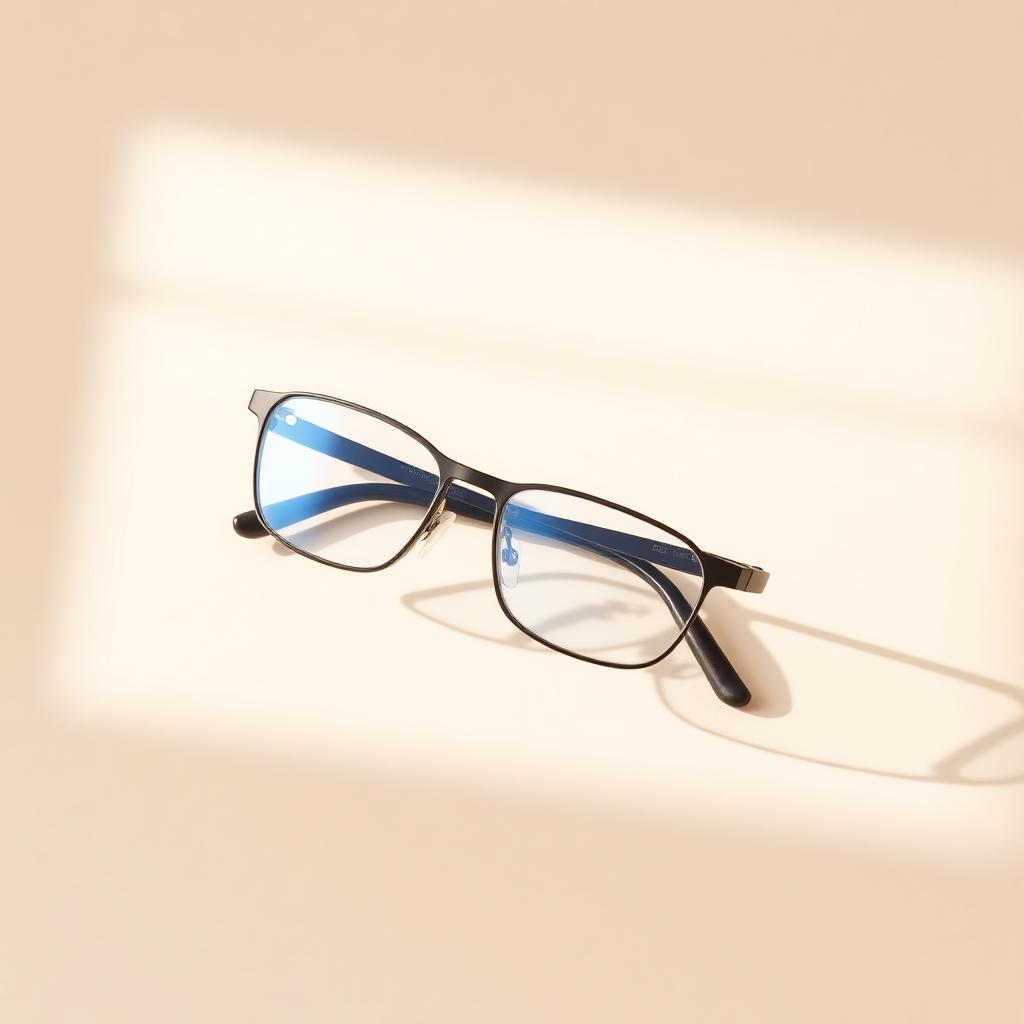
Ergonomic Blue-Light Glasses
Block 99% of harmful blue light without yellow tint.
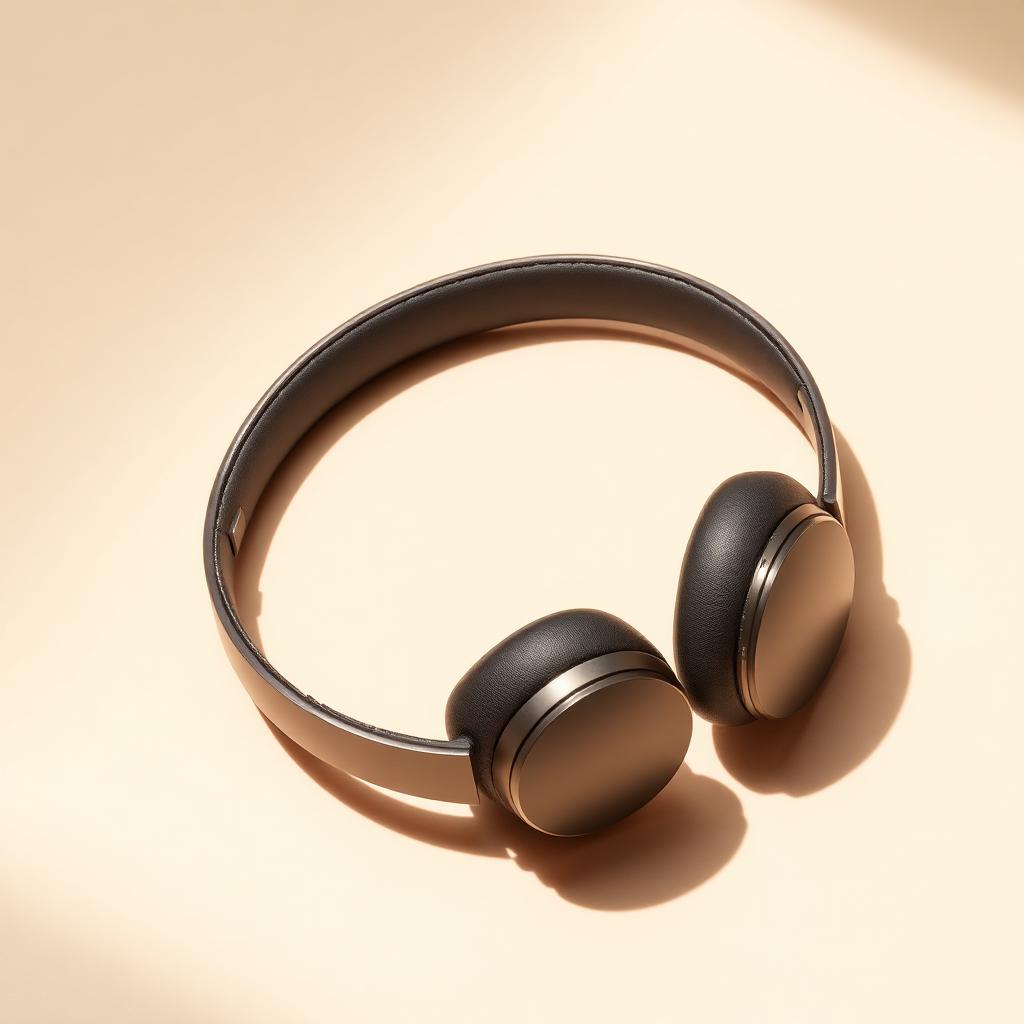
Smart Sleep Headphones
Ultra-thin bluetooth headband headphones engineered for side sleepers.
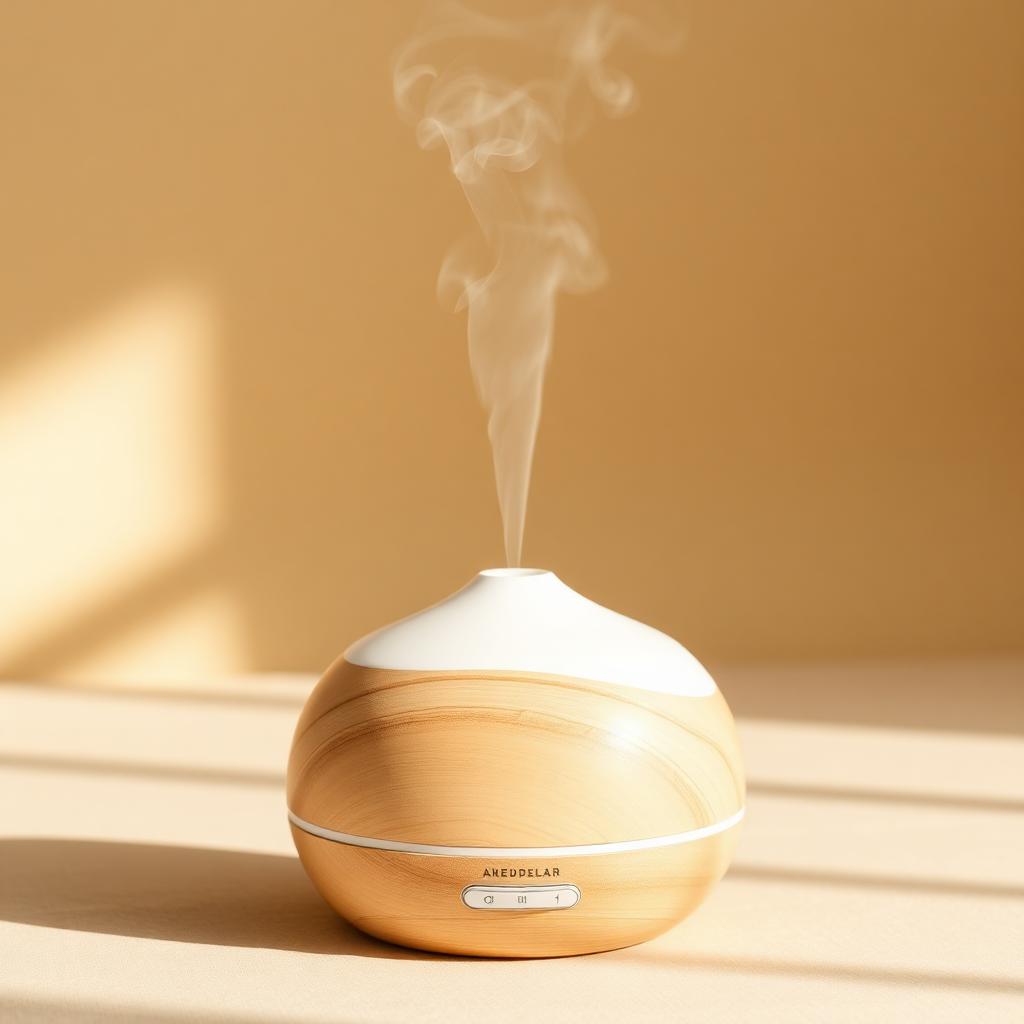
Aromatherapy Sleep Diffuser
Ultrasonic diffuser with 7-color ambient light & auto-off timer.