
10 Science-Backed Sleep Hacks for Better Rest in 2026
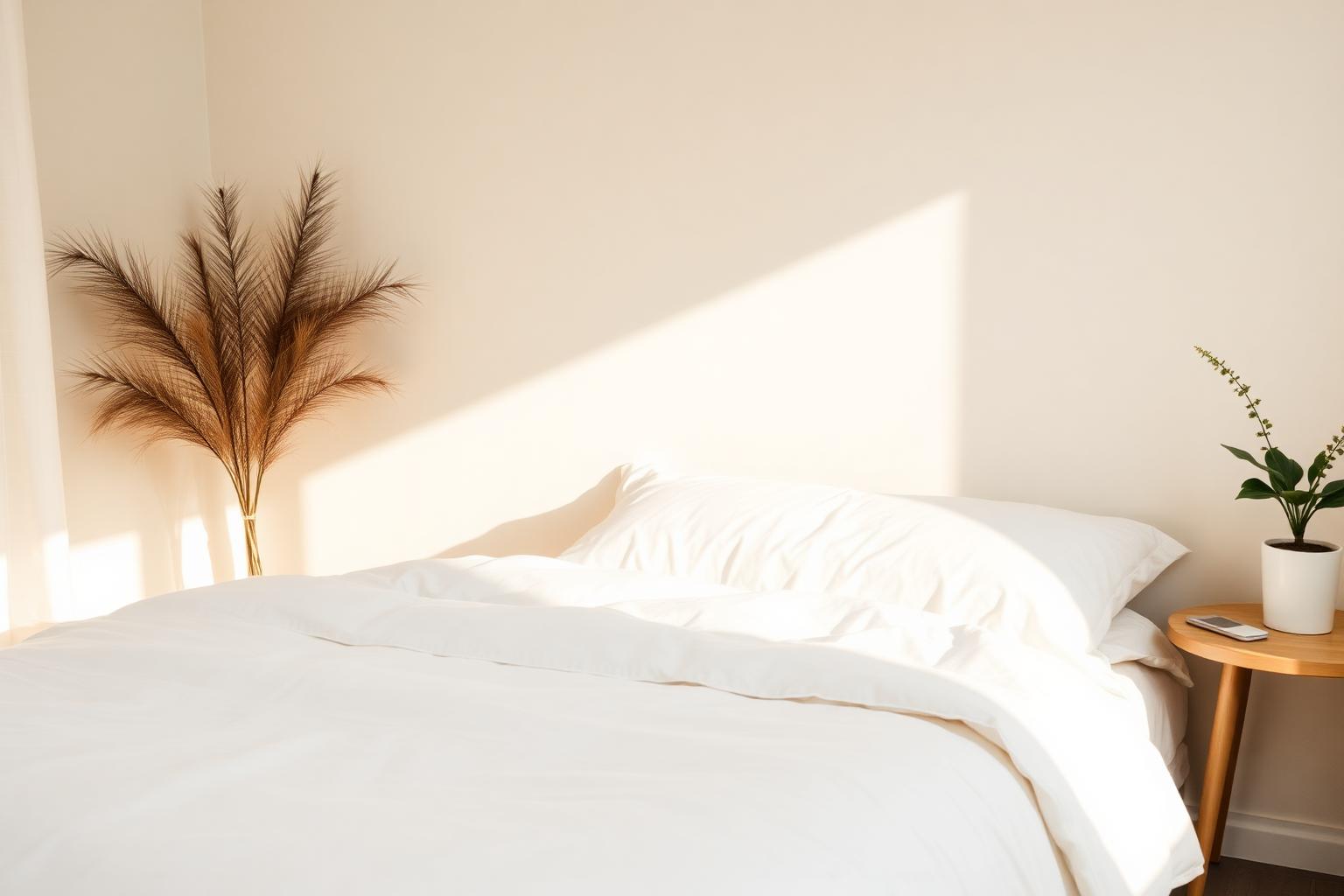
From cooling your bedroom to 65°F to the 4-7-8 breathing trick, these 10 evidence-based hacks will transform your sleep starting tonight.
The quality of your sleep is the single most predictive factor of your cognitive performance and long-term metabolic health. While the year 2026 brings more digital distractions than ever, the biological imperatives of the human brain remain unchanged. By aligning your modern environment with your ancient circadian rhythms, you can transform sleep from a biological chore into your most powerful competitive advantage.
The Architecture of Consistency The most underrated tool in your sleep kit is not a pill or a gadget; it is your alarm clock. Specifically, it is the time you choose to wake up every morning, including weekends. The body operates on a tightly regulated internal clock known as the Suprachiasmatic Nucleus (SCN). When you vary your wake-up time by more than an hour, you induce a state labeled "social jetlag," which disrupts the hormonal cascade required to trigger sleepiness later that evening.
Clinical studies suggest that maintaining a consistent wake time stabilizes the production of adenosine, the chemical responsible for sleep pressure. As adenosine builds up throughout the day, it eventually reaches a threshold that allows for short sleep latency—the clinical term for how quickly you fall asleep. Aim for a latency period of 15 to 20 minutes. If you are falling asleep the moment your head hits the pillow, you are likely severely sleep-deprived. Conversely, if it takes over 30 minutes, your circadian rhythm is likely misaligned with your behavior.
The Power of First Light Your sleep quality tonight begins the moment you open your eyes this morning. Viewing natural sunlight within 30 to 60 minutes of waking triggers a significant neural circuit that regulates the timing of cortisol and melatonin. This morning light exposure, ideally for 10 to 30 minutes, sets a timer in your brain that determines exactly when melatonin production will begin approximately 14 to 16 hours later.
Even on overcast days, the lux levels of outdoor light are significantly higher than typical indoor LED lighting—often reaching 10,000 lux compared to a measly 500 lux inside an office. This brightness suppresses residual melatonin and reinforces the "wake" phase of your cycle. If you live in a climate where morning sun is scarce, a high-intensity lightbox (10,000 lux) can serve as an effective substitute to anchor your rhythm and improve mood stability throughout the day.
Thermal Regulation and the 65-Degree Rule To initiate sleep, your core body temperature must drop by about two to three degrees Fahrenheit. If your bedroom is too warm, your body struggles to shed this heat, leading to fragmented REM cycles and increased wakefulness. Most sleep scientists agree that the ideal bedroom temperature is approximately 65°F (18°C). While this may feel chilly when you first get under the covers, it facilitates the heat dissipation necessary for deep, non-REM sleep.
You can further assist this process by taking a warm bath or shower one to two hours before bed. This seems counterintuitive, but the warm water brings blood flow to the surface of your skin, particularly your hands and feet. Once you exit the shower, that heat rapidly escapes your body, causing your core temperature to plummet and signaling to your brain that it is time for rest. Pairing this cool environment with the gentle, humidified mist from a BreezySocial Aromatherapy Diffuser—using lavender or cedarwood—creates a sensory anchor that tells your nervous system the day is officially over.
Master the Cognitive Shuffle One of the greatest barriers to falling asleep is the "tired but wired" phenomenon, where an overactive mind prevents the transition into unconsciousness. The cognitive shuffle is a mental exercise designed to bypass the brain's analytical functions by scrambling its internal monologue. To practice this, pick a neutral word like "BEDTIME." Visualize the letter B and think of as many unrelated words as possible that start with B (Ball, Bear, Boat), visualizing each one for a few seconds. Once you run out of words, move to E, then D, and so on.
By forcing the brain to process random, non-threatening imagery, you mimic the fragmented thoughts that occur naturally during the transition to sleep. This technique is often more effective than traditional "counting sheep" because it requires just enough cognitive load to stop ruminative worrying, but not enough to keep you alert. It effectively tricks the brain into thinking it has already entered the dream state.
Breathwork as a Biological Switch The 4-7-8 breathing technique, pioneered by Dr. Andrew Weil, is a rhythmic breathing pattern that acts as a natural tranquilizer for the nervous system. By inhaling for four seconds, holding for seven, and exhaling forcefully through the mouth for eight, you engage the vagus nerve and shift the body from a sympathetic (fight-or-flight) state to a parasympathetic (rest-and-digest) state.
When you slow your heart rate through deliberate exhalation, you lower your blood pressure and decrease the levels of circulating norepinephrine. For those who find it difficult to maintain focus during breathwork, using the BreezySocial Smart Sleep Headphones to play a guided session or low-frequency pink noise can provide the necessary auditory shield against external distractions. Research indicates that pink noise—which has more power at lower frequencies than white noise—can actually increase the duration of slow-wave "deep" sleep by syncing with the brain's internal oscillations.
The Magnesium and Melatonin Connection Supplements should never replace good sleep hygiene, but they can be powerful adjuncts when used correctly. Magnesium glycinate is widely regarded as the gold standard for sleep support. Unlike other forms of magnesium that may cause digestive upset, the glycinate form is highly bioavailable and has a calming effect on the brain. It works by binding to GABA receptors, the same neurotransmitters targeted by many pharmaceutical sleep aids, but in a much more subtle and sustainable way.
On the other hand, melatonin is often misunderstood. Many people take high doses (5-10mg), which can lead to daytime grogginess and vivid nightmares. In reality, the body naturally produces very small amounts of melatonin. If you choose to supplement, clinical data suggests that "micro-dosing" between 0.3mg and 1mg is often more effective at shifting the circadian clock without overwhelming the system. Always prioritize magnesium for relaxation and reserve melatonin for temporary issues like jetlag or shift work.
Engineering the Digital Sunset The "Blue Light" narrative is well-known, but the issue is more than just the spectrum of light—it is the nature of the content. Consuming high-dopamine, infinite-scroll content at 11:00 PM keeps the brain in an active "seeking" mode. To combat this, implement a digital sunset 60 minutes before you intend to sleep. This doesn't mean you have to sit in a dark room; rather, it means switching to passive activities like reading a physical book or listening to a podcast.
During this hour, dim the lights in your home to create a "dusk" effect. Standard overhead LED bulbs are often too bright and too blue. Utilizing floor lamps with warm, amber-toned bulbs can help trigger the natural release of melatonin. By reducing both the light intensity and the cognitive stimulation of your environment, you allow your brain to enter a state of "pre-sleep" that significantly reduces sleep latency.
Movement and the Sleep-Wake Homeostat Physical activity is a primary driver of sleep quality, yet the timing of that activity is crucial. Engaging in vigorous exercise increases your body temperature and revs up your metabolism, which can interfere with sleep if done too close to bedtime. Ideally, intense workouts should be completed at least three hours before you plan to sleep.
Regular aerobic exercise has been shown to increase the amount of "deep sleep" (non-REM stage 3) we get each night. This is the stage of sleep where the body repairs tissue, builds bone and muscle, and strengthens the immune system. Even 20 minutes of daily movement can significantly improve sleep efficiency—the ratio of time spent asleep versus time spent in bed. If you must exercise in the evening, stick to restorative yoga or light stretching, which helps to decompress the spine and relax the muscles without spiking your heart rate.
The Bottom Line The path to better rest in 2026 is a return to biological fundamentals. By cooling your environment to 65°F, seeking morning sunlight, and utilizing tools like the cognitive shuffle and magnesium glycinate, you are reclaiming your evening from the demands of the modern world. Consistency remains the most powerful variable. When you prioritize the rhythm of your body, every other aspect of your health—your mental clarity, your mood, and your physical vitality—begins to fall into place. Tonight, don't just go to bed; engineer an environment that invites the rest you deserve.
Products mentioned in this article

Smart Sleep Headphones
Ultra-thin bluetooth headband headphones engineered for side sleepers.
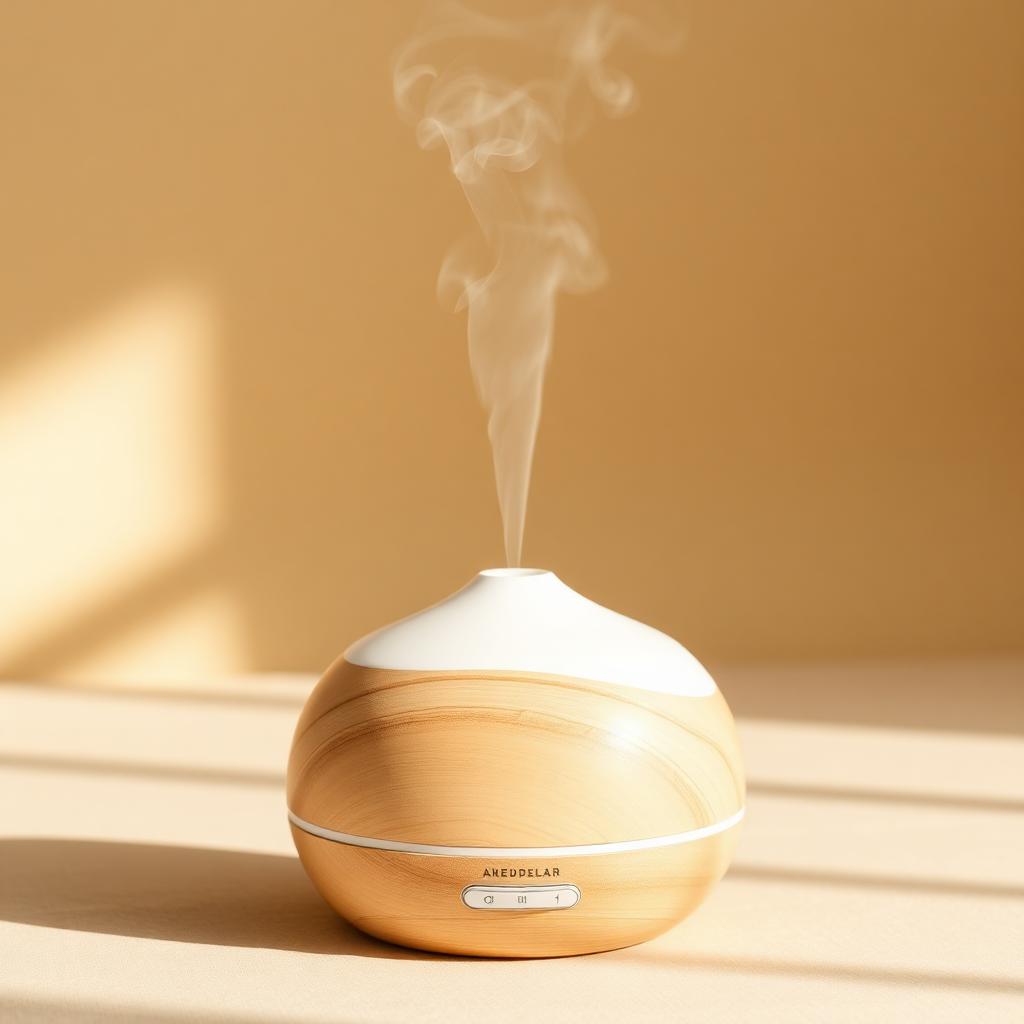
Aromatherapy Sleep Diffuser
Ultrasonic diffuser with 7-color ambient light & auto-off timer.
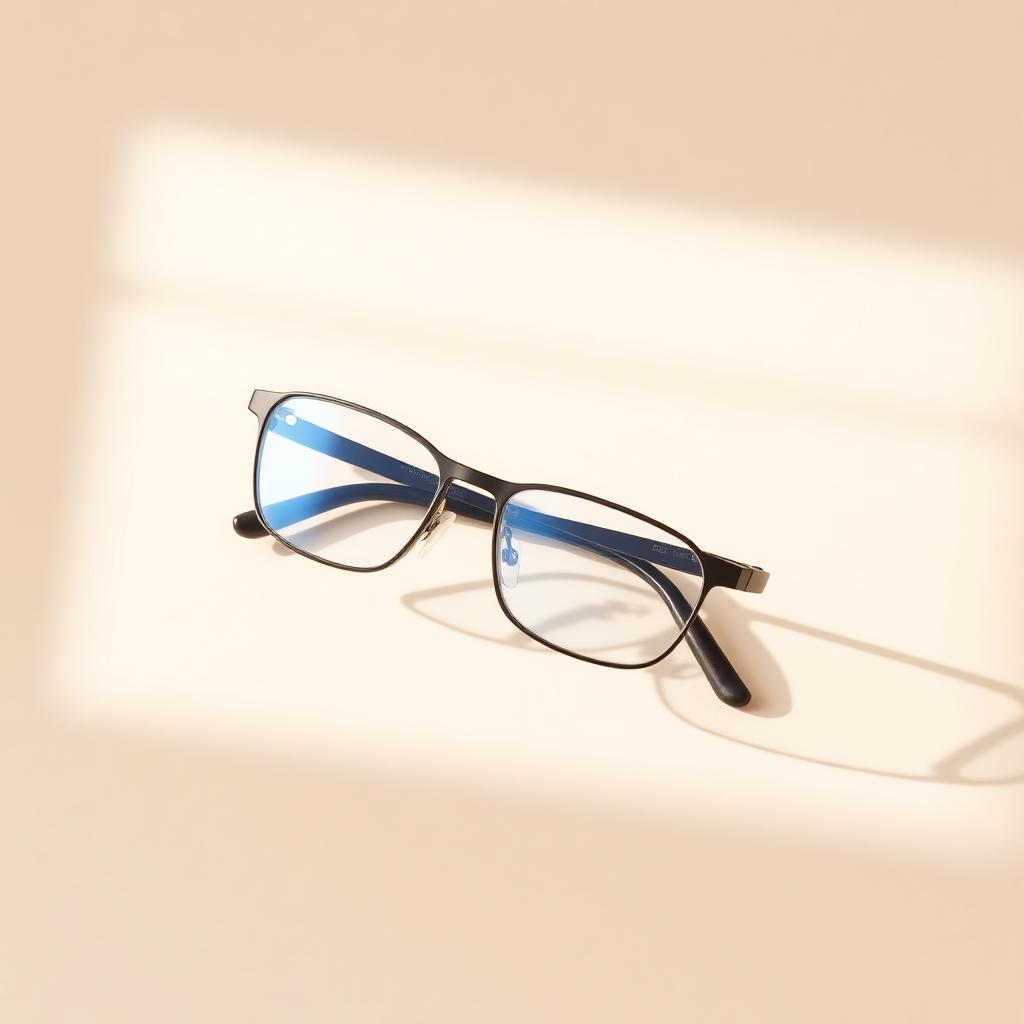
Ergonomic Blue-Light Glasses
Block 99% of harmful blue light without yellow tint.