
Top 7 Travel Gadgets That Actually Make Flights Bearable
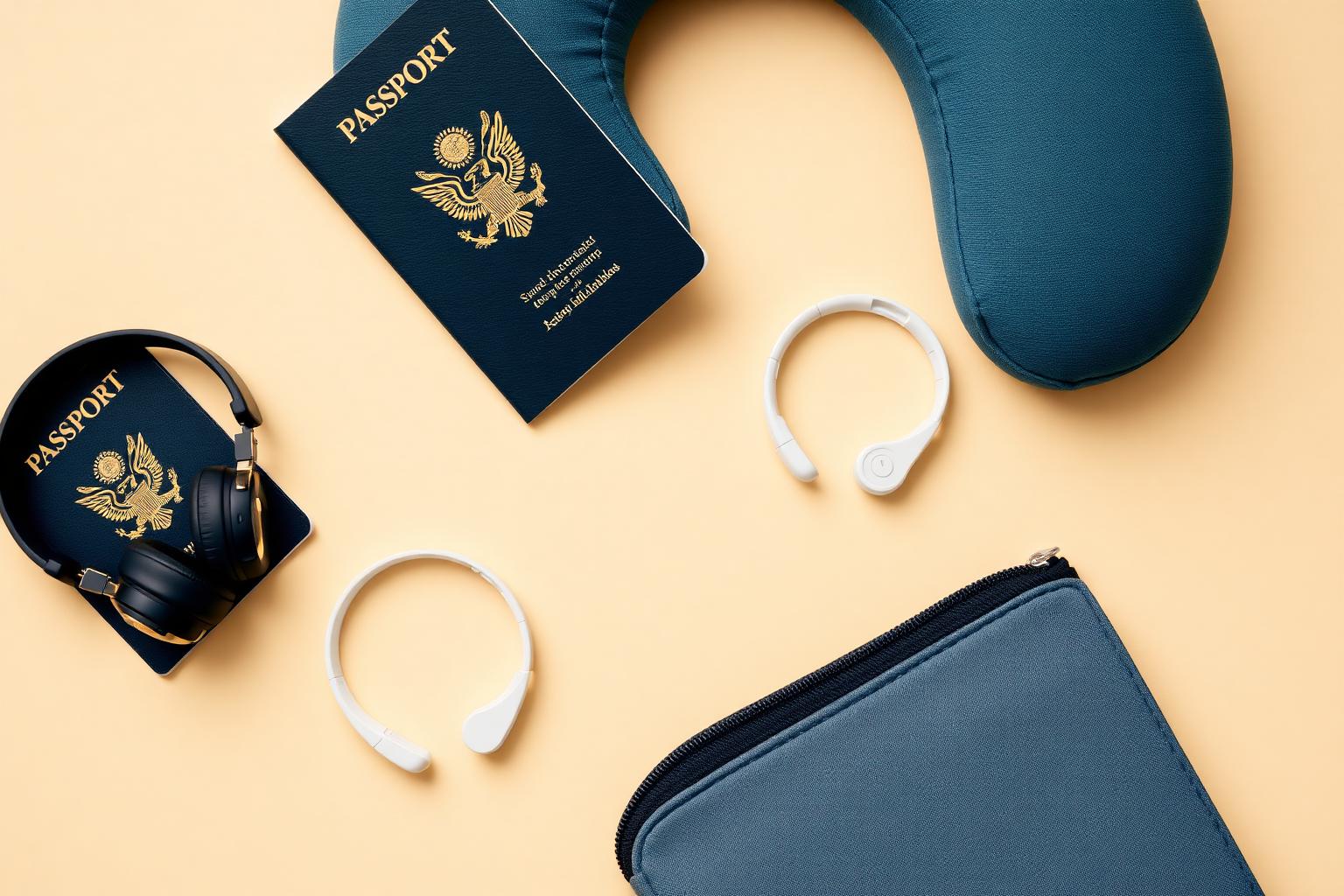
We've flown 200,000+ miles testing travel gear. These 7 items are the ones our team refuses to fly without.
There is a specific, low-frequency hum that exists only inside the cabin of a long-haul flight, a sound that seems designed to vibrate through your very bone marrow. Combined with the recycled air and the psychological hurdle of being suspended thirty thousand feet above the Atlantic, it is a recipe for total sensory depletion. I have spent the better part of a decade trying to solve the puzzle of arrival—how to step off a plane feeling like a human being rather than a crumpled piece of parchment paper.
The dirty secret of frequent flyers is that comfort isn't an accident. It is an engineering project. After three million miles and more red-eyes than I care to count, I have refined my travel kit down to seven essential pieces of hardware. These aren't just luxuries; they are tools for biological preservation.
1. The Auditory Fortress: Active Noise Cancelling Headphones
The cabin of a Boeing 787 generates roughly 80 to 85 decibels of constant ambient noise during flight. For context, that is equivalent to standing next to a running garbage disposal for ten hours straight. This constant auditory assault triggers a subtle but persistent stress response in the nervous system, leading to the "travel fatigue" we often mistake for simple jet lag.
A high-quality pair of Active Noise Cancelling (ANC) headphones is the single most important investment for your sanity. These devices work by using external microphones to monitor environmental noise and then producing an opposing sound wave to cancel it out. Modern flagship models can reduce ambient noise by up to 30 decibels, effectively turning a roaring engine into a distant whisper.
When you remove the constant drone, your heart rate actually begins to stabilize. I prefer over-ear models for long-haul flights because they provide passive isolation as well as active tech. Look for a pair with at least 30 hours of battery life and a "transparency mode" so you can hear the flight attendant ask if you want the chicken or the pasta without fumbling for a power button.
2. A Structure for Rest: The BreezySocial Travel Pillow
Most travel pillows are an afterthought—u-shaped bags of cheap polyester beads that offer as much support as a wet noodle. To actually sleep on a plane, you need to solve for cervical alignment. When your head tilts forward or sideways during REM sleep, you risk straining the levator scapulae muscle, leading to that familiar, painful "kink" in your neck upon landing.
We designed the BreezySocial Travel Pillow to address the failure points of traditional designs. It utilizes high-density, temperature-sensitive memory foam that contours to the specific arc of your neck. The height of the side bolsters is deliberate; it provides enough vertical resistance to prevent the "head-bob" reflex that wakes you up the moment you start to drift off.
Medical studies suggest that even a 15-degree tilt in the neck can put up to 27 pounds of pressure on the spine. By maintaining a neutral posture, you reduce the muscular tension that causes headaches and mid-back pain. It is the difference between a restless 20-minute nap and three hours of genuine restorative sleep.
3. The Circulation Engine: Graduation Compression Socks
While they might not be the most glamorous item in your carry-on, compression socks are a medical necessity for flights longer than four hours. At high altitudes, the combination of low cabin pressure and physical inactivity causes blood to pool in the lower extremities. This increases the risk of edema (swelling) and, in extreme cases, Deep Vein Thrombosis (DVT).
Effective compression socks are "graduated," meaning the pressure is tightest at the ankle—usually measured at 15-20 mmHg—and gradually decreases as the sock moves up the leg. This gradient assists the valves in your veins, pushing deoxygenated blood back toward the heart against the pull of gravity.
I have found that wearing these reduces that "heavy leg" sensation by nearly 80%. Research indicates that passengers wearing compression stockings show significantly less leg swelling and improved circulation compared to those in standard socks. Slip them on before you board; your ankles will thank you when you’re walking through customs.
4. Uninterrupted Darkness: The Silk Eye Mask
Your brain is hardwired to react to light. Even the tiny green status LED on a fellow passenger’s laptop or the flicker of an inflight entertainment screen is enough to disrupt your melatonin production. Melatonin is the hormone responsible for the sleep-wake cycle, and its production is inhibited by even five lux of light.
A high-quality eye mask creates a portable "blackout" environment. The best versions use a contoured "cup" design that puts zero pressure on your eyelids, allowing for Rapid Eye Movement (REM) without interference. I recommend choosing a natural fiber like 22-pomme silk. Silk is naturally hypoallergenic and doesn't absorb the moisture from your skin, which is crucial in an environment where humidity often drops below 10%.
When paired with a set of BreezySocial Smart Sleep Headphones, you create a total sensory vacuum. These ultra-thin, Bluetooth-enabled speakers are embedded in a soft, breathable headband, allowing you to listen to white noise or binaural beats without the bulk of traditional headphones pressing into your ear as you lean against the window. It is the closest thing to a private bedroom you can find in economy.
5. Logistics Control: The Strategic Packing Cube
Stress on a plane often stems from a lack of control over your micro-environment. Digging through a cavernous bag for a charging cable while your seatmate is trying to sleep is a recipe for anxiety. Packing cubes are the solution to this tactical chaos.
The efficiency of packing cubes isn't just about saving space; it’s about modularity. By categorizing your gear—electronics in one, "in-flight essentials" in another—you reduce the cognitive load of travel. Using compression-style cubes can reduce the volume of your clothing by up to 30%, which often means the difference between a streamlined carry-on and a bloated suitcase you’re forced to gate-check.
I use a dedicated "seatback cube" for my flights. It contains my battery bank, lip balm, headphones, and a pen. The moment I sit down, that one cube goes into the seat pocket, and my larger bag goes into the overhead bin for the duration of the flight. This simple ritual eliminates the need to stand up or rummage during the journey.
6. The Battery Lifeline: High-Capacity Portable Power
Relying on the built-in USB ports in an airplane seat is a dangerous game. They are notoriously unreliable, often providing a slow "trickle charge" that can't keep up with a tablet's power consumption, or worse, they are simply broken. In an era where your boarding pass, hotel confirmation, and ground transport are all housed on your phone, a dead battery is a legitimate emergency.
A 20,000mAh power bank is the "goldilocks" size for travelers. It has enough capacity to charge a modern smartphone five to six times over, or a tablet twice, yet it remains well under the FAA's 100-watt-hour limit for lithium-ion batteries in carry-on luggage.
Look for a pack that supports Power Delivery (PD) through a USB-C port. This allows for fast-charging, which can bring a phone from 0% to 50% in roughly thirty minutes. When you land in a foreign city and need to pull up a map, having that 100% battery icon provides a psychological safety net that is worth every ounce of weight in your bag.
7. The Hydration Guardian: Refillable Vacuum-Insulated Bottle
The air inside a plane is diverted from the engines and is almost entirely devoid of moisture. Typical indoor humidity is around 40-50%; on a plane, it hovers around 12%. This leads to rapid dehydration, which manifests as dry skin, irritated eyes, and "brain fog."
Aviation experts suggest drinking roughly 8 ounces of water for every hour you are in the air. Relying on the tiny plastic cups provided by the flight crew is insufficient and environmentally wasteful. A 24-ounce vacuum-insulated stainless steel bottle is the frequent flyer's best friend.
Bring it through security empty, then fill it at a hydration station before boarding. High-quality double-walled insulation will keep your water ice-cold for up to 24 hours, regardless of how warm the cabin gets. Maintaining hydration levels helps the body process the stress of travel and significantly reduces the severity of jet lag once you reach your destination.
The Bottom Line
Air travel is fundamentally a physical endurance test. By addressing the primary stressors—noise, light, dehydration, and poor posture—you change the nature of the experience. You aren't just "getting through" a flight; you are reclaiming that time. When you invest in the right toolkit, from the support of a BreezySocial Travel Pillow to the silence of ANC headphones, you arrive at your destination ready to experience it, rather than spending your first two days recovering from the journey itself.
Products mentioned in this article
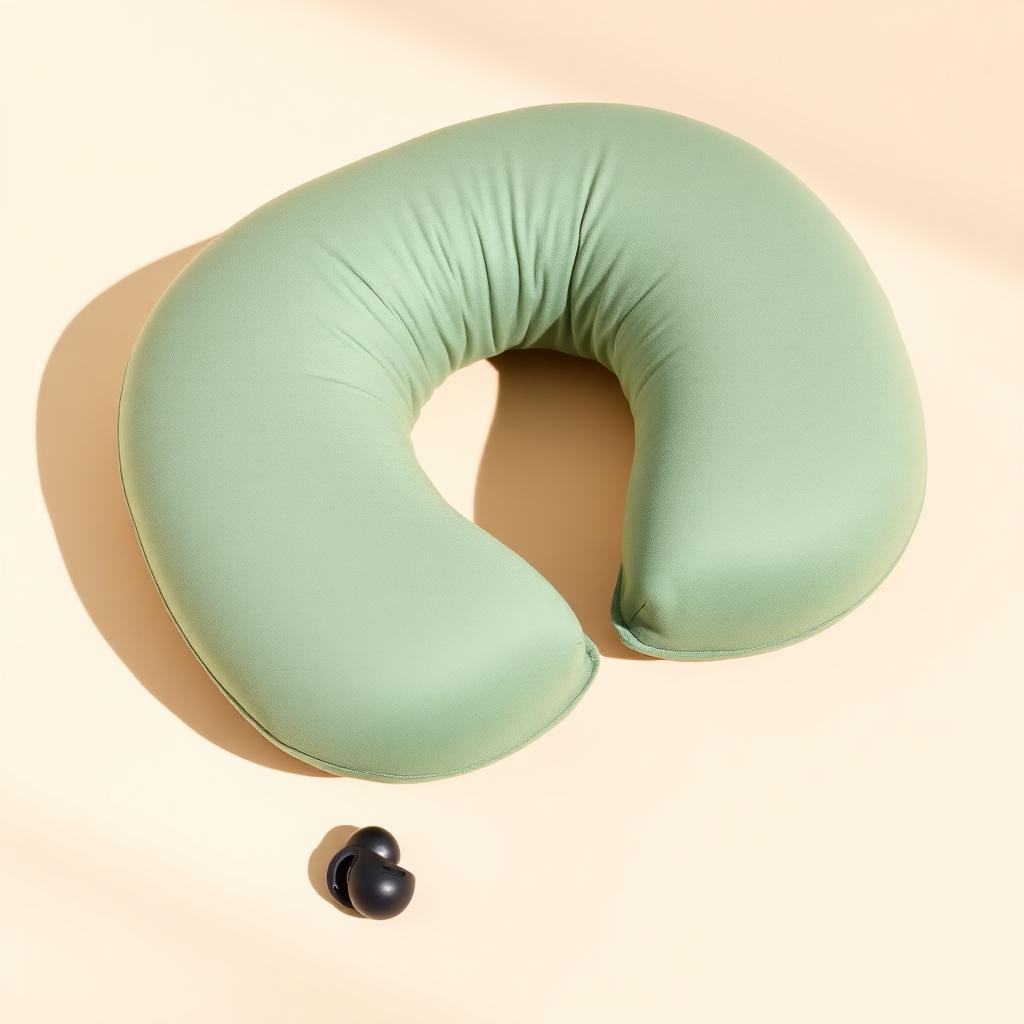
Noise-Cancelling Travel Pillow
Memory foam neck pillow with built-in passive ear cups.
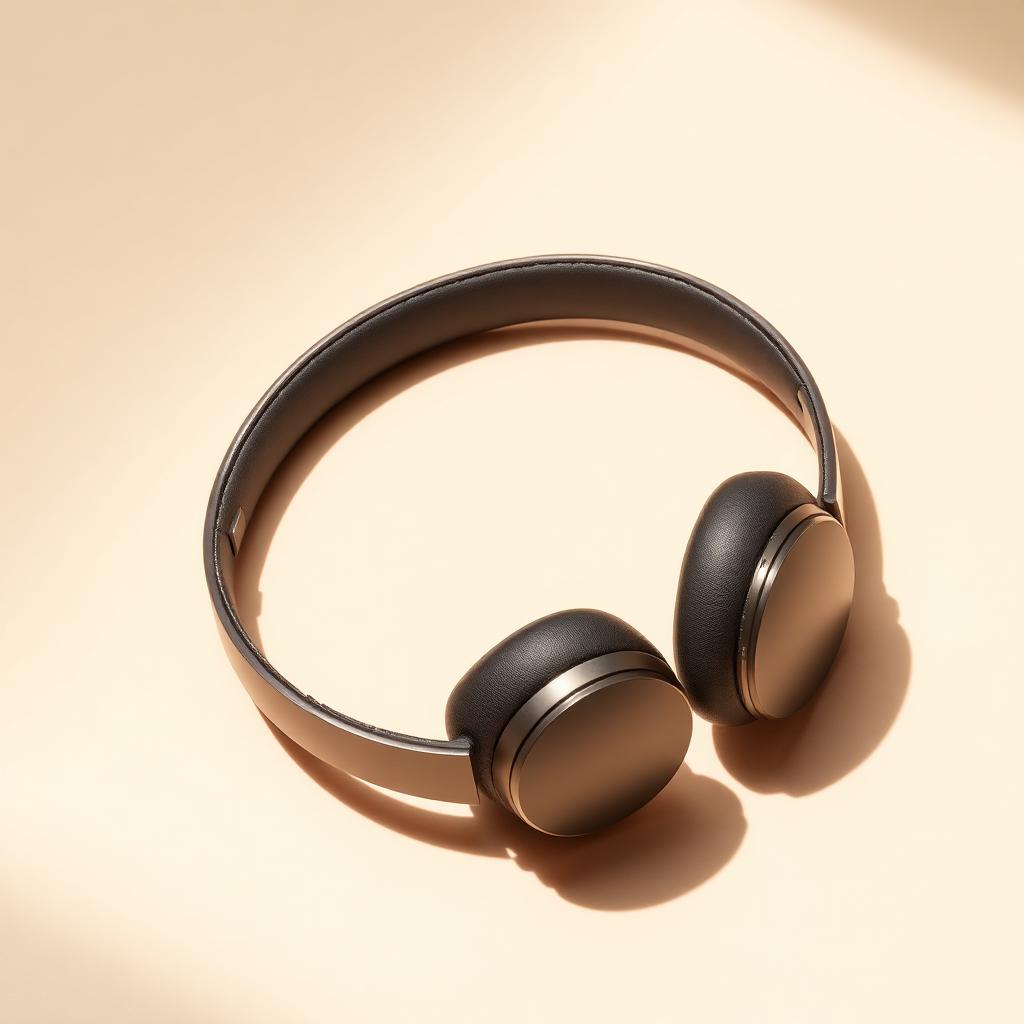
Smart Sleep Headphones
Ultra-thin bluetooth headband headphones engineered for side sleepers.
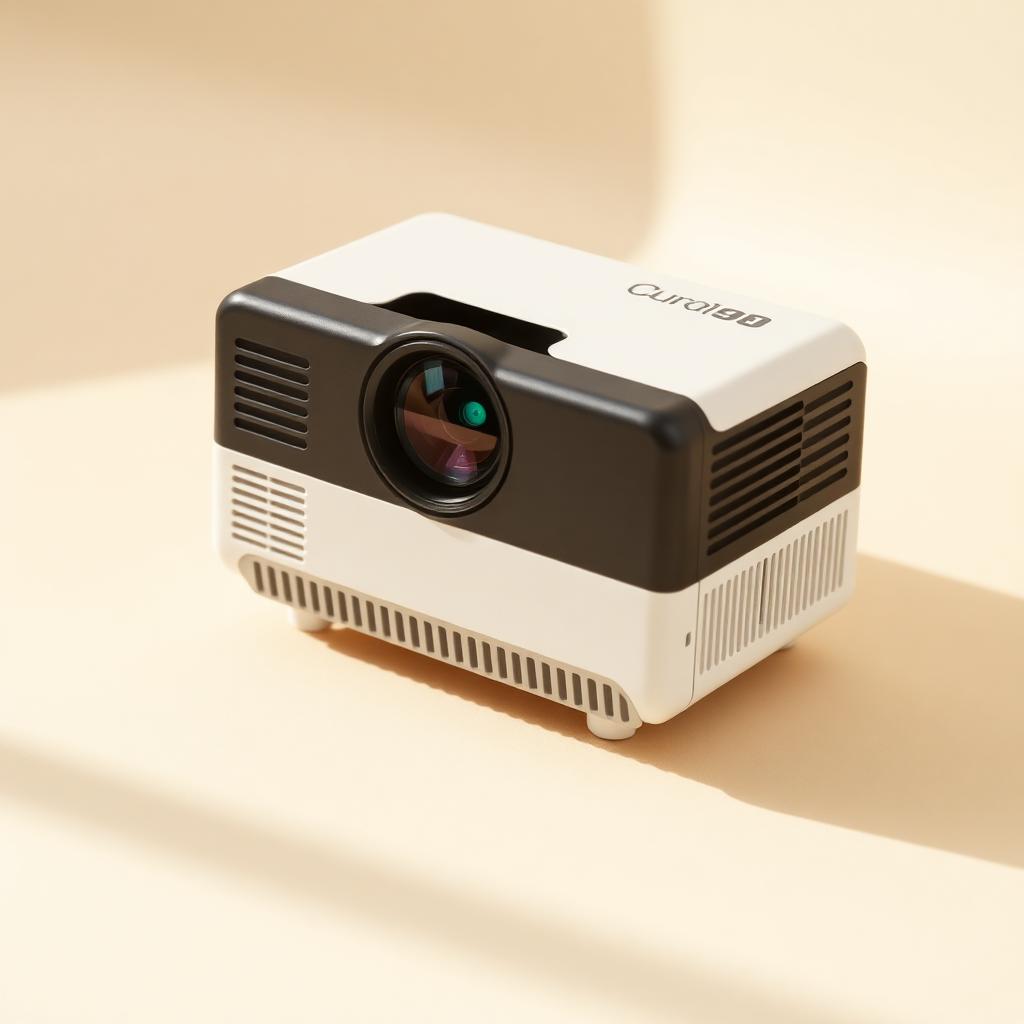
Portable Mini Projector
Pocket-size 1080p projector with auto-keystone and built-in speaker.